Podcast post-production has a reputation for being tedious, and honestly, a lot of it deserves that reputation. Long raw recordings, awkward pauses, tangents that need trimming, intros that ramble longer than they should – turning a raw conversation into a polished episode takes real editing time, and for beginner podcasters without a dedicated editor, that time comes directly out of hours that could be going toward actually making more content.
The parts of that process that don’t need heavy software are worth pulling out and speeding up wherever possible, and that’s exactly where lightweight browser tools earn their keep.
Where Beginner Podcasters Lose the Most Time
New podcasters often over-invest in learning a full-featured audio editor before they’ve even settled into a consistent recording and publishing rhythm. That’s not necessarily wrong for serious, heavily produced shows, but for a lot of beginner and casual podcasts, the actual editing needs are simpler than the software being used to meet them – trim the rough edges, cut a couple of sections, export, publish.
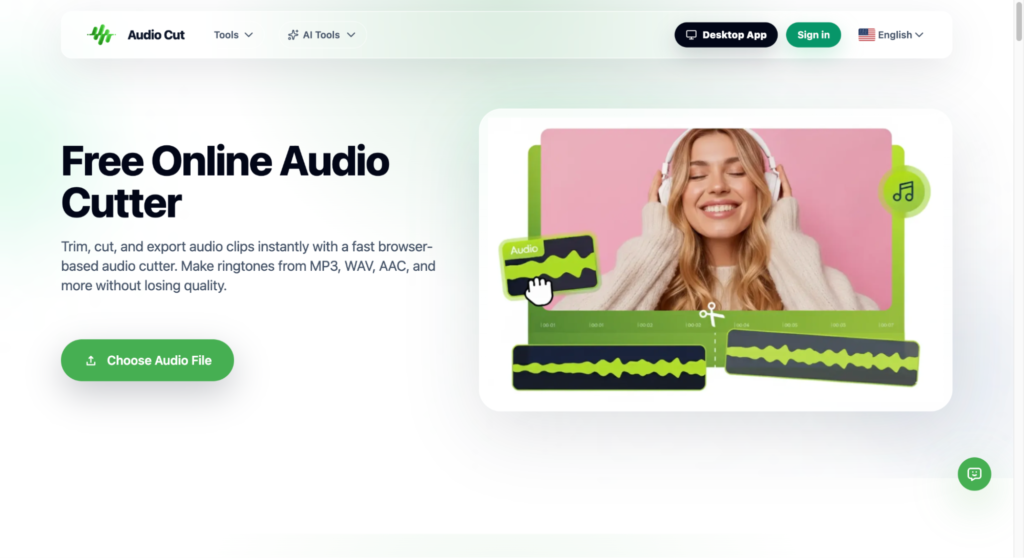
Trim long episodes down to key highlights using a free audio cutter. For podcasters who don’t need heavy multitrack editing, this alone covers a surprising amount of the actual post-production work – cutting the awkward first thirty seconds before the real conversation starts, trimming out a long pause, pulling a highlight clip to promote the episode on social media.
The Value of Quick Voice Notes Between Recording Sessions
A lot of podcast production happens outside the actual recording sessions – jotting down episode ideas, recording a quick intro line separately to insert later, capturing a thought about how to frame an upcoming topic before it slips your mind. These moments rarely happen at a desk with proper recording software open. They happen in the car, on a walk, right after a conversation with someone that sparked an idea.
Capture exclusive voice notes anytime with a simple browser voice recorder. Recording those moments in a quick, zero-setup fashion allows you to capture more of those little sparks of brilliance and actually have them go into later episodes as opposed to being partially recalled later with your fingers tightly crossed they’ll have had magically fully formed themselves. Particularly helpful for those on their own without another person around to throw ideas at in real-time it becomes a very functional replacement for brainstorming out of real time, that the other host doesn’t even know existed.
Building a Faster Editing Routine
For most beginner podcasts, a repeatable, simple editing routine beats a complicated one every time, mostly because a simple routine is one you’ll actually stick to episode after episode. A reasonable version of that routine might look like: trim the intro and outro dead air, cut out one or two of the longest pauses or tangents, export, and publish – all handled through lightweight tools rather than a full editing suite, unless the episode specifically calls for more involved work like layering in music or sound effects.
This kind of routine scales well with a regular publishing schedule too. A weekly podcast that requires two hours of heavy editing per episode is a lot harder to sustain long-term than one that requires twenty minutes of quick trimming, and for most conversational or interview-style podcasts, the difference in final listening experience between the two isn’t nearly as large as the difference in creator burnout.
Where Voice Notes Fit Into a Bigger Production Pipeline
In addition to ideas you want to save as voice memos, a voice note is useful as a “light” way of preparing to record something in advance of actually booking a recording session. For example, when recording a voice memo to test out how the intro for an episode might sound – recorded once as a draft and listened to as opposed to reading a script- you can hear if something is awkward or doesn’t have enough pause.
This applies to interview prep too – recording a quick voice memo of questions you want to ask, in your own voice and cadence, tends to make the actual interview feel more natural than reading off a written list, since you’ve already heard yourself say the questions once before.
Keeping the Focus on Content, Not Software
The underlying goal behind all of this is pretty simple: the more time spent wrestling with editing software, the less time is available for the parts of podcasting that actually require creative or interpersonal skill – preparing good questions, having a genuine conversation, thinking through how to structure an episode that’s actually worth listening to. Lightweight tools that handle the repetitive, mechanical parts of post-production quickly free up exactly that kind of time, which for most beginner podcasters is the resource in shortest supply.
If you’re entirely new, the most important thing you can do is resist learning a hefty editing software program long before you can reliably record and publish stuff. Get comfortable making stuff first and only introduce heavier gear when it’s impossible to get done what you actually need to do in what light gear it can do.
A Reasonable First Setup
If you’re just getting started and unsure what to actually invest time in learning, a decent starting point is: a browser-based cutter for trimming episodes, a quick voice recorder for capturing ideas and drafting intros, and a simple habit of doing a light edit pass right after recording rather than letting raw files pile up. That’s enough to get consistent episodes out the door without spending your limited creative energy learning software you may not even need for the kind of show you’re actually making. Most successful beginner podcasts stay simple far longer than new creators expect, and there’s rarely any real downside to sticking with a lightweight setup until it genuinely stops being enough. If your podcast eventually grows into something requiring heavier production – layered sound design, multiple guests recorded separately, complex editing – that’s the point to reassess, not before.